Lerato's Story
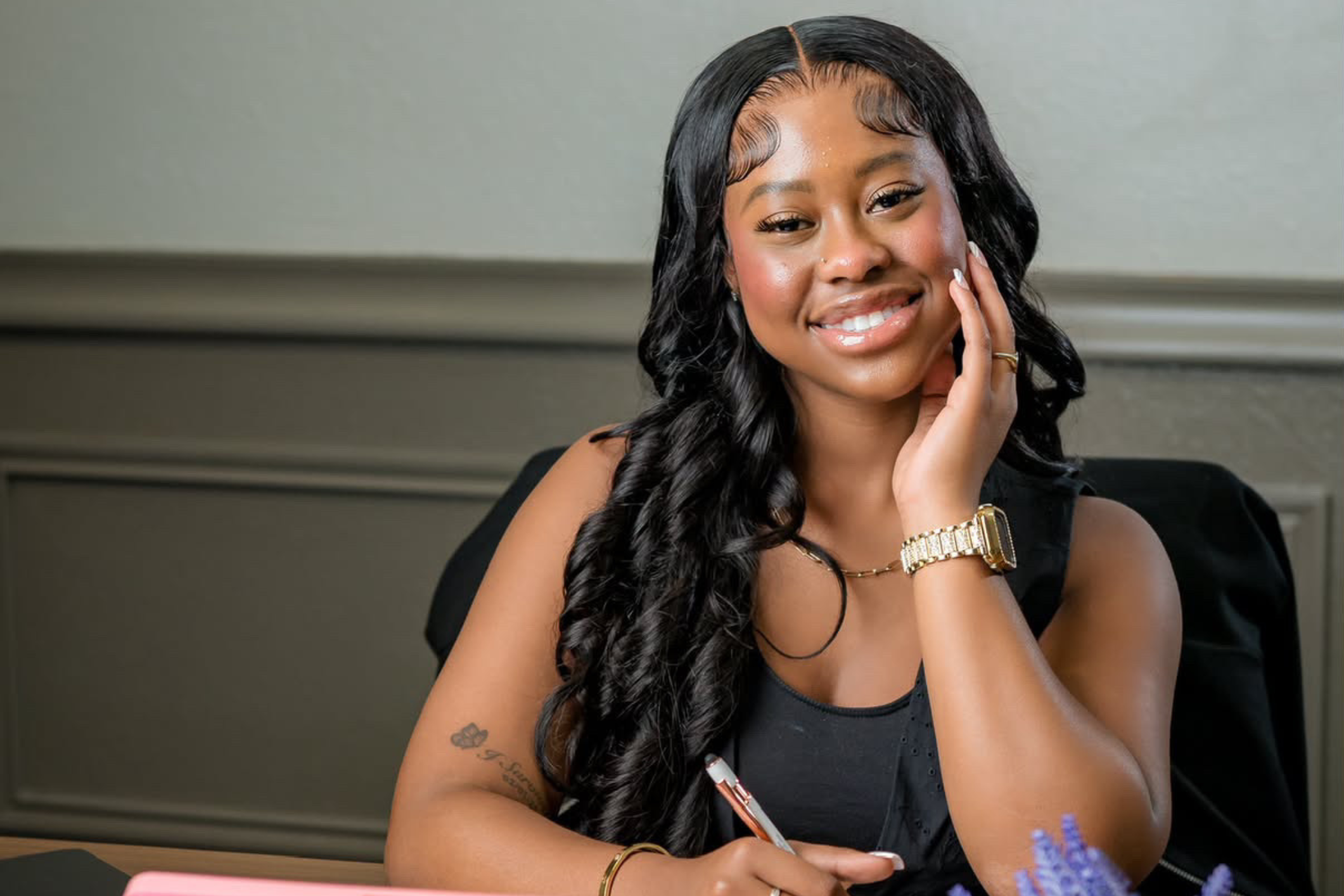
My name is Lerato Fridge, and I suffered a hemorrhagic venous stroke on February 1, 2025, just one week after my 18th birthday.
Before my stroke, I had been dancing since I was three years old and competing since I was five. Dance wasn’t just something I did — it was a huge part of who I was. I had spent practically my entire life training, competing, performing, and pushing my body to do incredible things.
In the months leading up to my stroke, I became extremely sick and was eventually diagnosed with severe ulcerative colitis. I experienced multiple serious complications, including blood clots, and while I was hospitalized, I suffered a hemorrhagic venous stroke caused by a blood clot in my brain.
I was left with left-sided hemiplegia.
I went from being a competitive dancer to having to relearn movements I had never thought twice about before. Sitting up, balancing, walking, coordinating my left side, and eventually learning to run again became accomplishments worth celebrating.
I spent three weeks in inpatient rehabilitation and continued months of outpatient neurological rehabilitation afterward. My recovery has included gait training, electrical stimulation, mirror therapy, strength and balance work, and countless hours of repetition.
There were days when my body wouldn’t do what my brain was asking it to do. There were moments when I wondered what being a dancer would look like for me now. Even today, I continue to experience residual weakness, spasticity, and foot drop. I’m still recovering.
But I’m also dancing again.
I’m running again.
I’m coaching dancers.
And I’ve discovered a purpose in my story that I never could have imagined before my stroke.
My faith in Jesus Christ has been the foundation of my recovery. When so much of the identity I had built around being a dancer and athlete suddenly changed, my faith reminded me that my purpose was bigger than what my body could do.
That is a huge reason why sharing my story means so much to me.
I want young people to know that stroke does not have an age. I want survivors in the frustrating, repetitive, lonely parts of rehabilitation to see what continuing to show up can look like. I want people to understand the realities of spasticity, foot drop, weakness, relearning movement, and all of the smaller battles that don’t always make it into a recovery highlight reel.

Most importantly, I don’t want my story to simply be viewed as inspirational. I want to use it to educate, advocate, encourage other survivors, and bring more awareness to stroke recovery.
Going through neurological rehabilitation also sparked a passion in me for the recovery process itself. I’m now interested in pursuing physical therapy, particularly neurological rehabilitation, so that one day I can help people through the same kind of process that changed my life.
One of the biggest things I’ve learned is that recovery isn’t always about getting your old life back. Sometimes it’s about discovering what you can build from where you are now.
I am incredibly grateful to still be here, to still be recovering, and to have a voice that I can use for people who may not be ready or able to use theirs yet.
More From Lerato
What advice would you give to another stroke survivor?
“Celebrate every win, even the ones that seem small. Recovery isn’t linear, and your timeline won’t look like anyone else’s. Keep showing up for yourself and don’t let a hard day make you forget how far you’ve already come. Every step is a blessing.”
What is one thing that has helped you during your recovery?
“My faith in Jesus Christ kept me mentally strong. When I didn’t understand why this happened or what my future would look like, my faith reminded me that my identity and purpose were bigger than what my body could or couldn’t do.”
What tools or resources have been helpful in your recovery?
“Physical and occupational therapy, inpatient and outpatient neuro rehabilitation, electrical stimulation, mirror therapy, gait and strength training, my therapists and family, my faith and church community, and connecting with other stroke survivors online.”
Lerato’s recovery is still unfolding. She continues to navigate weakness, spasticity, foot drop, and the ongoing work of neurological rehabilitation while returning to the things that matter to her — including dancing, running, and coaching.
Her story also reflects something she has learned along the way: recovery does not have to mean returning to exactly who you were before a stroke. Sometimes, it can mean discovering what is possible now and building from there.
For Lerato, that has meant not only continuing her own recovery, but finding a new interest in neurological rehabilitation and a desire to one day help others through it. And by sharing both the progress and the difficult parts, she hopes other survivors can see that their own timelines do not have to look like anyone else’s.
%20(1).png)

%20(1).png)