.png)
La brecha en la recuperación de un accidente cerebrovascular
Cuando alguien sufre un derrame cerebral, la atención médica inicial suele ser urgente y le salva la vida. Sin embargo, una vez que los supervivientes regresan a sus hogares, muchos se enfrentan a una nueva serie de desafíos que son mucho menos visibles.
Los servicios de rehabilitación pueden estar limitados por la cobertura del seguro. Las sesiones de terapia pueden interrumpirse a pesar del potencial de recuperación continuo. A menudo, las familias se ven obligadas a navegar por sistemas de salud complejos y, al mismo tiempo, adaptarse a los cambios importantes de la vida.
Esta brecha entre la atención clínica y la recuperación a largo plazo es lo que inspiró la creación de The Stroke Foundation.
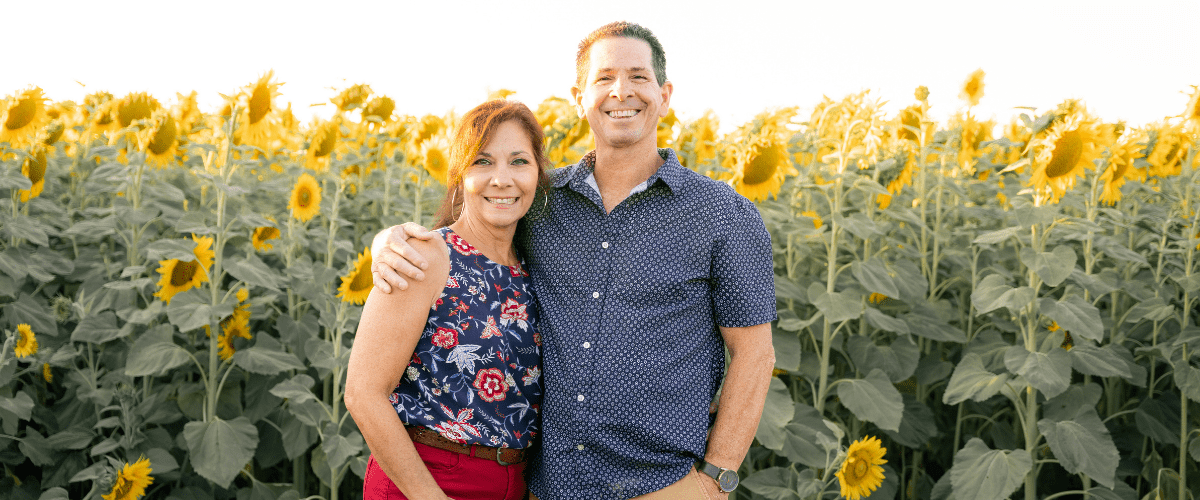
Nuestra organización fue fundada por María Gabriela Raso, sobreviviente de un derrame cerebral, y su familia después de experimentar estos desafíos de primera mano. Lo que comenzó como un viaje personal se ha convertido en un esfuerzo nacional para garantizar que los sobrevivientes y cuidadores de accidentes cerebrovasculares tengan acceso al apoyo que necesitan.
Convertir la experiencia vivida en acción
El póster compartido en el foro destaca cómo la experiencia vivida puede aportar soluciones significativas.
A través de nuestros programas, nos enfocamos en abordar algunas de las barreras más comunes a las que se enfrentan los sobrevivientes después de un accidente cerebrovascular:
• Obstáculos financieros a la rehabilitación
• Acceso limitado al apoyo de salud mental
• Falta de orientación clara tras el alta hospitalaria
• La necesidad de experiencias comunitarias y compartidas
Nuestro fondo para sobrevivientes de accidentes cerebrovasculares ayuda a los sobrevivientes a continuar con la rehabilitación cuando el costo se convierte en un obstáculo. Desde el lanzamiento del programa, hemos ayudado a familias de todo Estados Unidos a acceder a terapias críticas que restauran la movilidad, el habla y la independencia.
Solo en 2025, la Fundación ha otorgado más de 70.000 dólares en becas de terapia, ayudando a los supervivientes a continuar con el trabajo de reconstruir sus vidas después de un accidente cerebrovascular.
También hemos ampliado el apoyo a la salud mental a través de asociaciones que brindan servicios de asesoramiento a los sobrevivientes y cuidadores que se enfrentan al impacto emocional de la recuperación de un accidente cerebrovascular.
Una conversación global sobre la vida después de un accidente cerebrovascular
El Foro europeo sobre la vida después de un accidente cerebrovascular reúne a investigadores, médicos, defensores y supervivientes de todo el mundo que se comprometen a mejorar los resultados de la recuperación.
La inclusión en la sesión de pósters de este foro permitió que el trabajo de The Stroke Foundation formara parte de un debate mundial más amplio sobre cómo debería ser la recuperación tras un accidente cerebrovascular.
Si bien nuestro equipo no pudo asistir en persona este año, es increíblemente significativo saber que las experiencias de los sobrevivientes y cuidadores a los que apoyamos se comparten en un escenario internacional.
Sus historias importan. Sus desafíos importan. Y sus viajes de recuperación merecen atención.
Mirando hacia adelante
En The Stroke Foundation, nuestro objetivo es simple: hacer que la recuperación de un accidente cerebrovascular sea más accesible para todos los sobrevivientes.
Creemos que la recuperación no debe depender de la suerte, la ubicación o las finanzas. Todas las personas que sobreviven a un accidente cerebrovascular merecen la oportunidad de continuar con la terapia, recibir apoyo emocional y reconstruir su vida con dignidad.
El trabajo presentado en el Foro europeo La vida después del ictus refleja el progreso que hemos logrado, pero también el trabajo que aún queda por delante.
Con el apoyo de nuestra comunidad, los donantes, los socios y los supervivientes, seguiremos avanzando hasta que la vida después de un accidente cerebrovascular sea diferente para las familias de todo el mundo.
Nuestra esperanza es simple y urgente: que cada superviviente tenga la misma oportunidad de recuperarse.
%20(2)%20(1).png)

%20(1).png)